

APO is proud to be supporting the biennial Evidence and Implementation Summit 2025 for the third time. In 2023, guest blogger Robyn Mildon introduced us to the ‘know-do’ gap. This year she is back with Nicole Rankin to share why it’s more important than ever to reduce this gap and how the Summit can help.

Two years ago, we sounded the alarm: a yawning gap exists between what research tells us is effective and what actually gets delivered on the ground in terms of services, interventions and innovations. That blog introduced the concept of the ‘know-do’ gap – a delay that, in healthcare alone, can stretch 15 years or more for proven interventions to be taken up widely (as this study shows).
This profound problem exists across all policy fields. The result: people in need are missing out, every single day. No-one can benefit from effective innovations unless they are implemented.
The effect on children is particularly troubling. The critical period for child development is zero to five years. If it takes 15 or more years for effective interventions to reach our youngsters, then multiple generations are missing out on services and approaches we know could be helping them today and for their entire lives.
The urgency has only grown. And so has the momentum.
How implementation science can help
Gaps and policy failures have taught us something. Over recent decades, researchers and practitioners have meticulously analysed and studied to understand what’s going wrong and how we can do better. This is implementation science: methodical, intentional and analytical approaches to bridging the ‘know-do’ gap.
As a result, we now know a lot about what is required for good implementation: how to assess barriers and potential facilitators, how to understand local context, how to gather and apply data, as well as what might be ‘best-bet’ implementation strategies.
The Evidence and Implementation Summit 2025, this year combined with the Implementation Science Health Conference Australia (ISHCA), returns to Melbourne 27-29 October.
It’s not just a continuation of the conversation – it’s a step forward.
It’s a rare gathering that brings experts in implementation science, evidence synthesis and program evaluation together with policymakers, practitioners, organisation leaders, philanthropists and funders.
All aspects of the drive to harness quality evidence to create real-world human benefit are discussed – including the synthesis, generation, translation and implementation of evidence for better policy and practice.
Why attend in October?
Sharing the latest findings, case-studies, collaborations and new ideas, the Summit is a not-to-be-missed opportunity that energises, inspires and sparks change.
Advances and challenges will be discussed across a wide range of fields – from health to international development, family and social services, First Nations perspectives, leadership, education, justice, urban resilience, the environment and climate change.
Delegates will gain access to:
- a global meeting of minds, with speakers from 30+ countries
- the latest innovations, findings and methods, across 200+ presentations
- interactive sessions and Special Interest Group forums
- cross-disciplinary networking, learning and ideas exchange
- specialist half-day skill-building workshops (including “Fundamentals for evidence-informed policy implementation”)
- all 60+ hours of Summit content for 12 months following the event.
And you’ll gain insights from an impressive international and local speaker line-up, including:
- distinguished leader in First Nations health, Professor Sandra Eades AO (University of Melbourne)
- global voice on evidence-based policy, Cillian Nolan (Executive Director of J-PAL Europe)
- renowned speaker on implementation science, adaptation and equity, Associate Professor Ana Baumann (Washington University, USA)
- global evidence innovator Professor Julian Elliott (Future Evidence Foundation)
- former New Zealand Prime Minister and evidence-based policy advocate, Sir Bill English KNZM
- leading voice for implementation science in clinical trials, Associate Professor Ingrid Hickman (University of Queensland)
The stakes are higher than ever
Join us in October to be part of the solution. Whether you’re a policymaker, practitioner, researcher, funder or advocate, the Summit offers a rare chance to connect, learn and lead.
Let’s move from knowing to doing – together.
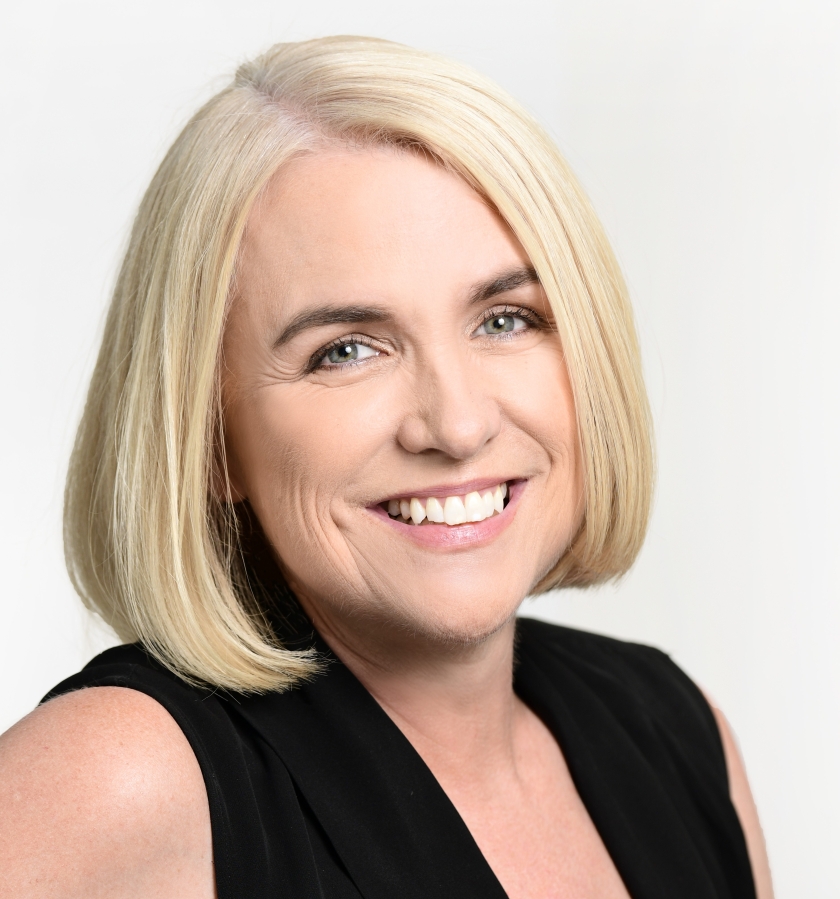
Associate Professor Robyn Mildon is an internationally recognised figure in the field of research translation and implementation science, and program and policy evaluation in health, education and social services. She is Founding CEO of the Centre for Evidence and Implementation, a global social purpose organisation with offices in Australia, the UK, Europe and Asia. Robyn is an Adjunct Associate Professor at Monash University and a Visiting Associate Professor at the National University of Singapore.
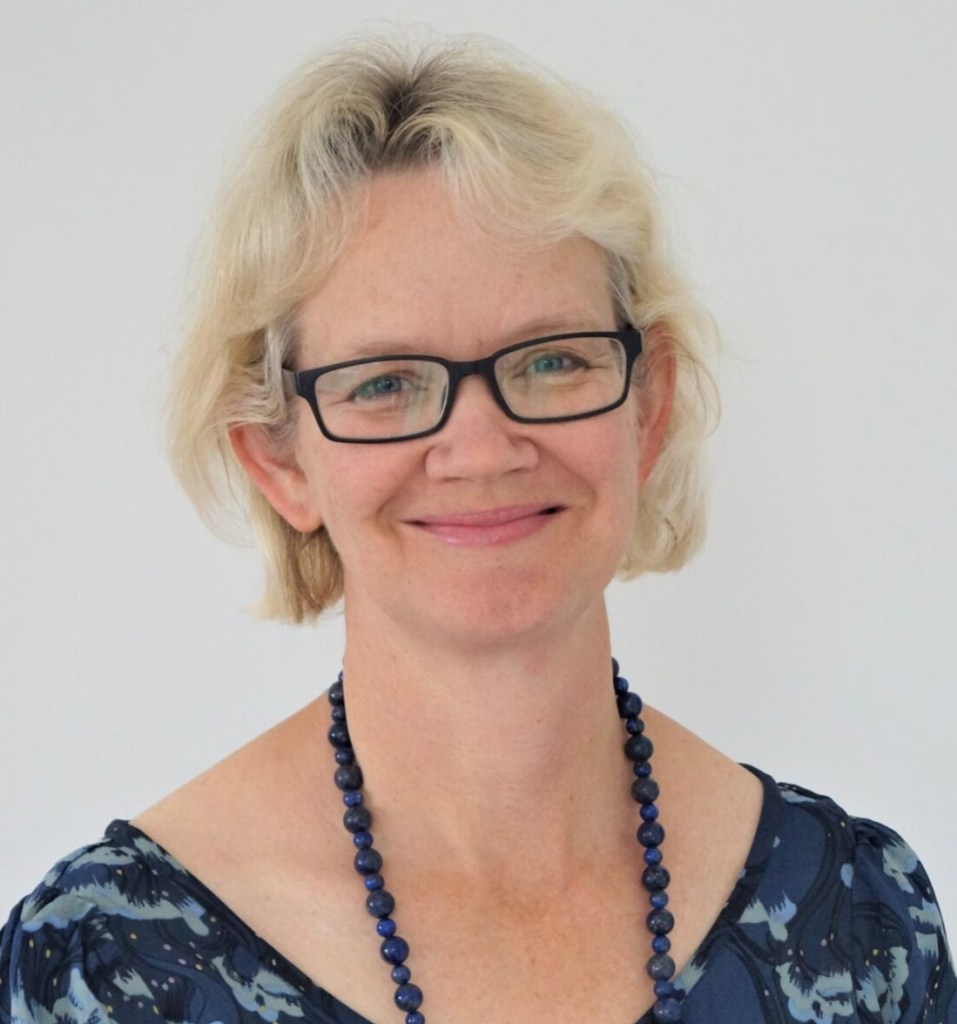
Associate Professor Nicole Rankin, PhD and Churchill Fellow, is an implementation scientist and Head of Evaluation and Implementation Science at the Melbourne School of Population and Global Health (University of Melbourne), one of Australia’s largest and most active teams in the discipline. Nicole’s research focuses on how evidence can be more rapidly translated into healthcare practice, and is recognised internationally for her team’s translational research in lung cancer screening and early detection.


You must be logged in to post a comment.